Transportation and Fleet Insurance: Protect Your Business
Why Transportation and Fleet Insurance Is Critical
Transportation and fleet insurance plays a pivotal role in protecting businesses that depend on vehicles for daily operations. Whether you’re managing a fleet of delivery vans, service trucks, or long-haul semis, your vehicles are exposed to risks every time they’re on the road. From traffic accidents and severe weather to theft or vandalism, unexpected events can disrupt operations, damage valuable assets, and lead to significant financial losses. Fleet insurance ensures that your business can recover quickly and continue running smoothly when incidents occur. Beyond physical damage and loss, transportation companies face high liability exposure. Accidents involving commercial vehicles can result in property damage, bodily injuries, or even fatalities — and these situations often lead to lawsuits or costly settlements. Without proper liability coverage, a single claim could devastate your business’s finances and reputation. Fleet insurance offers essential protection by covering legal defense fees, medical expenses, and third-party damages, giving you the peace of mind to focus on growing your business. Employee safety is another critical reason to invest in comprehensive fleet insurance. Your drivers are the face of your brand and a vital part of your operations. If they’re injured on the job, your business may be responsible for covering medical costs, lost wages, or long-term rehabilitation. A solid fleet insurance policy can include workers’ compensation and medical payments coverage, helping you protect your team while reducing your exposure to potential legal claims. Lastly, fleet insurance is essential for maintaining regulatory compliance. Most states and federal transportation authorities require businesses to carry specific levels of commercial vehicle insurance. Failing to meet these requirements can result in fines, license suspensions, or even forced shutdowns. By maintaining proper fleet coverage, you not only stay compliant with the law but also demonstrate a commitment to safety and professionalism — which can positively impact your brand and customer trust.1. Protection Against High Liability Costs
Transportation businesses often face a higher degree of risk than other industries. Accidents involving commercial vehicles can result in substantial property damage, bodily injuries, and even fatalities. Without insurance, your business could be on the hook for legal defense costs, settlements, or judgments. Fleet insurance helps cover these expenses, ensuring you remain financially stable in the face of lawsuits or claims.2. Covers a Wide Range of Vehicle Types
From trucks and vans to delivery vehicles and construction fleets, transportation insurance can be customized to suit your unique fleet. Whether you’re hauling goods across state lines or making local service calls, you need insurance that reflects the usage, location, and type of your vehicles. Fleet insurance offers that flexibility and scalability.3. Safeguards Your Employees and Business Reputation
Your drivers represent your brand on the road. If they’re involved in an accident, your company could be held liable — even if they’re not at fault. Transportation insurance can include coverage for medical payments, workers’ compensation, and liability, keeping both your team and your business reputation safe.4. Regulatory Compliance
Many states and federal agencies require minimum insurance levels for businesses involved in transportation. Fleet insurance ensures that you stay compliant with Department of Transportation (DOT) regulations, state laws, and any industry-specific guidelines. Non-compliance can lead to hefty fines or suspension of operations.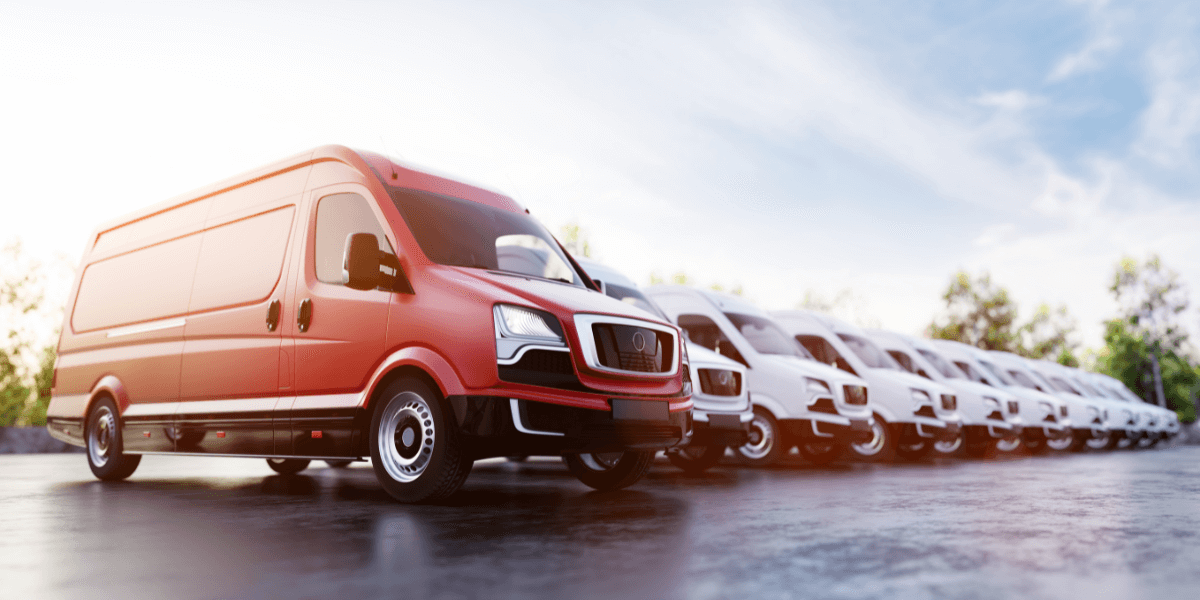
Who Needs Transportation and Fleet Insurance?
Transportation insurance isn’t just for large trucking firms. Any business that uses vehicles as part of daily operations can benefit. This includes:- Delivery companies (food, retail, courier services)
- Freight and logistics firms
- Construction companies with mobile equipment
- Landscaping and contracting businesses
- Non-emergency medical transportation providers
- Bus or shuttle services
- Field service companies (plumbers, electricians, HVAC techs)
What Does Transportation and Fleet Insurance Cover?
Understanding what transportation and fleet insurance covers is essential for any business that operates vehicles as part of its daily operations. Unlike standard auto insurance, fleet coverage is designed to address the unique risks and needs of commercial transportation. These policies offer a broad range of protections — from liability and physical damage to cargo loss and employee injuries — helping businesses recover quickly from accidents, theft, or unexpected disruptions on the road. By investing in comprehensive coverage, you’re not just protecting vehicles — you’re safeguarding your drivers, cargo, and business operations. Whether you’re managing a small delivery fleet or overseeing a large-scale logistics operation, knowing the ins and outs of your policy can prevent costly gaps in protection. In the following section, we’ll break down the core components of fleet insurance and how each one works to keep your business moving forward.1. Liability Coverage
Covers damages or injuries you cause to other people or property in an accident. Includes bodily injury liability and property damage liability — both are crucial if your drivers are found at fault.2. Physical Damage Coverage
Pays for repairs or replacement of your vehicles after an accident, regardless of who is at fault. This includes:- Collision: damage from accidents with other vehicles or objects
- Comprehensive: damage from non-collision events (theft, vandalism, weather, fire)
3. Uninsured/Underinsured Motorist
Covers your drivers and vehicles if they’re involved in an accident caused by someone with insufficient or no insurance.4. Medical Payments Coverage
Pays for medical expenses for your drivers and passengers after an accident, regardless of fault.5. Hired and Non-Owned Auto (HNOA)
Essential for businesses that rent vehicles or let employees use personal vehicles for work. HNOA extends liability coverage in these cases.6. Cargo Insurance
If you’re transporting goods or materials, cargo insurance protects the contents from loss, theft, or damage in transit.7. Workers’ Compensation
If your drivers are employees, workers’ compensation insurance helps cover medical costs and lost wages after on-the-job injuries. Consult With Us